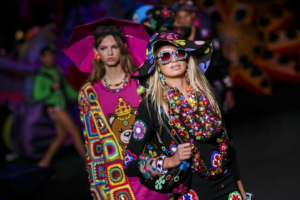
milica
The name milica has traveled through centuries, carrying with it stories of heritage, identity, and emotion. Rooted in Slavic culture, milica represents grace, kindness, and inner strength. Today, the name goes beyond borders, gaining recognition in music, sports, and digital platforms, symbolizing both tradition and modern identity.
In the United States and around the world, interest in milica has grown due to its melodic pronunciation and meaningful origin. The name has become more than a personal label; it reflects the evolution of cultural pride and global connection. Exploring its history and influence reveals why milica continues to inspire people everywhere.
The Historical and Linguistic Origin of milica
The name milica originates from the Slavic word “mil,” meaning “dear,” “gracious,” or “sweet.” It is a feminine name that embodies tenderness and affection, values deeply respected in Slavic societies. Over the centuries, milica became a symbol of noble character and was often given to daughters of royal or respected families.
Historically, milica gained recognition during medieval times in Serbia, where it was associated with royalty and virtue. The name’s pronunciation, “Millitsa,” adds a musical quality that enhances its charm. Connected to related names such as Mila or Milena, milica remains a timeless choice, representing warmth and dignity in every culture it touches.
The Cultural and Regional Significance of milica
Across the Balkan region, milica is more than a name—it is a piece of cultural heritage. Folk songs, literature, and historical tales often celebrate women named Milica as symbols of love, resilience, and wisdom. The name reflects a deep emotional connection to family values, loyalty, and inner beauty that define Slavic tradition.
In Serbia and neighboring countries, milica continues to hold a place of honor. From villages to major cities, the name has passed through generations as a mark of pride. It serves as a reminder of cultural identity, linking modern families with their ancestral roots and the shared values of kindness and perseverance.
Modern Figures and Global Influence of milica
The rise of famous personalities has brought milica into the global spotlight. Serbian singer Milica Pavlović has gained international fame through her music, representing both talent and cultural pride. Similarly, Milica Mandić, an Olympic taekwondo champion, showcases strength and determination, while basketball player Milica Dabović exemplifies teamwork and leadership.
These women have made milica a name associated with achievement and inspiration. Beyond sports and entertainment, milica has also become prominent in digital spaces, with influencers and content creators reaching global audiences. Through these figures, the name now symbolizes a blend of tradition, ambition, and modern creativity that resonates across borders.
milica in the Digital and Global Age
In the digital era, milica has taken on new meaning. Across platforms like TikTok, Instagram, and Twitch, the name has become a recognizable identity associated with individuality and expression. Many online creators who go by milica share artistic, educational, and lifestyle content that connects with global audiences.
The globalization of names like milica reflects how culture and technology merge to create new forms of identity. Its popularity among younger generations showcases how heritage can thrive in a digital world. Milica represents not only a name but a bridge between cultures, carrying traditional beauty into the modern age of social connection.
The Symbolism and Emotional Meaning Behind milica
The emotional depth of milica lies in its simple yet powerful meaning. It embodies affection, kindness, and compassion—qualities that transcend language and geography. People named Milica often carry an aura of creativity, intelligence, and emotional strength, reflecting the name’s essence of love and positivity.
Parents often choose milica because of its graceful sound and cultural roots. The name’s gentle rhythm and heartfelt meaning make it ideal for those who value authenticity and emotional warmth. Whether used in the Balkans, America, or beyond, milica continues to evoke a sense of connection, sincerity, and shared humanity.
Conclusion
The story of milica is a journey of culture, transformation, and identity. From its ancient Slavic origins to its modern global presence, milica has remained a symbol of love, elegance, and perseverance. Its meaning has evolved, but its emotional resonance stays the same—representing both tradition and progress.
Today, milica stands as a global cultural emblem, bridging the past with the present. Whether in art, sports, or digital spaces, the name continues to inspire. It reminds us that names carry power, shaping how we connect, express, and define ourselves in an ever-changing world.
FAQs about milica
What does the name milica mean?
milica means “kind,” “dear,” or “gracious,” derived from the Slavic root “mil.”
Where is the name milica most common?
It is most popular in Serbia, Montenegro, and other Balkan countries, but its recognition is growing globally.
Who are famous people named milica?
Notable figures include singer Milica Pavlović, Olympic athlete Milica Mandić, and basketball star Milica Dabović.
How do you pronounce milica?
It is pronounced “Millitsa,” with the stress on the first syllable.
Why is milica gaining global recognition?
Through media, sports, and online influence, milica represents both cultural heritage and contemporary global identity.