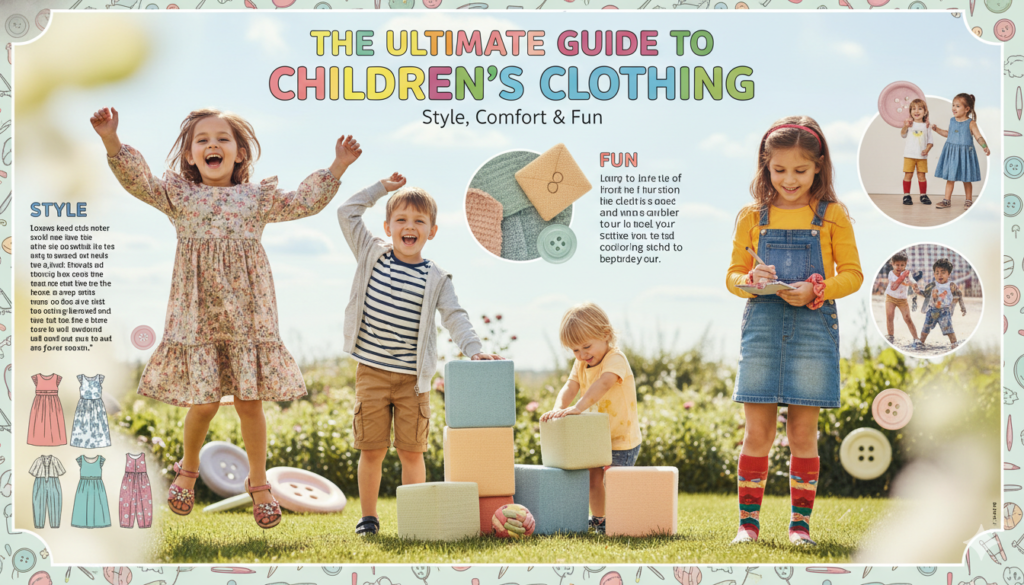
Choosing the right children’s clothing is about more than just picking a cute color or a fun pattern. As parents, we want our little ones to feel confident while they explore the world around them. Whether they are crawling through the grass or heading to their first day of school, their outfits need to keep up with their busy lives. In this guide, we will dive deep into everything you need to know about dressing your kids. We focus on comfort, durability, and style to ensure your child looks great and feels even better. From soft cotton tees to sturdy winter coats, the right choices make a huge difference in your daily routine. Let’s explore how to build a wardrobe that works for your family and makes getting dressed every morning a total breeze.
Quick Summary Table for Busy Parents
| Feature | What to Look For | Why It Matters |
| Fabric Type | Organic cotton, bamboo, or linen | Prevents skin irritation and breathes well. |
| Durability | Double-stitched seams and reinforced knees | Withstands playground fun and frequent washing. |
| Fit | Adjustable waistbands and stretchy cuffs | Allows for growth spurts and easy movement. |
| Safety | Lead-free zippers and secure buttons | Keeps toddlers safe from small parts and toxins. |
| Maintenance | Machine washable and pre-shrunk | Saves time on laundry and keeps clothes fitting. |
Why Quality Fabric Matters for Kids
When you shop for children’s clothing, the first thing you should check is the tag. Kids have much more sensitive skin than adults do. Rough fabrics can cause rashes or make a child feel itchy and grumpy all day long. I always recommend looking for natural fibers like organic cotton or bamboo. These materials are breathable, which means they help regulate body temperature during play. Synthetic fabrics like cheap polyester can sometimes trap heat and sweat, leading to discomfort. By choosing high-quality materials, you ensure that your child stays cool in the summer and warm in the winter. Plus, natural fabrics tend to hold up much better after dozens of trips through the washing machine, saving you money in the long run.
Understanding Size Charts and Growth Spurts
Every parent knows the struggle of buying children’s clothing only for it to be too small a month later. Kids grow at an amazing speed, and size labels can be very confusing between different brands. One brand’s “Size 4” might fit like another brand’s “Size 2.” It is always a good idea to measure your child’s height and weight before you go shopping. Look for clothing that offers a bit of “room to grow.” Features like adjustable waistbands in trousers or rolled-up cuffs on shirts are lifesavers. These small design details allow the clothes to last through a few extra months of growth. Remember, it is usually better to buy a slightly larger size than something that fits perfectly right now but will be tight in two weeks.
Essential Items for Every Child’s Wardrobe
Building a functional collection of children’s clothing starts with the basics. You don’t need a thousand outfits, but you do need the right pieces. Every child needs a solid set of “play clothes” that can get dirty without causing a tragedy. This includes durable leggings, soft denim jeans, and plenty of t-shirts. For formal events, having one or two “nice” outfits like a button-down shirt or a simple dress is perfect. Don’t forget about high-quality socks and underwear, as these are the items kids wear the most. When you have a strong foundation of basics, mixing and matching becomes very easy. This strategy helps you create many different looks without spending a fortune on entire sets that only match one specific item.
Seasonal Shifts in Children’s Clothing
As the weather changes, so should your approach to children’s clothing. Layering is the secret weapon for any parent living in a changing climate. During the autumn and spring, a light jacket or a cozy hoodie is essential. In the winter, you want to focus on insulation. Look for coats that are waterproof but still allow for movement so your child can still play in the snow. Summer requires lightweight, light-colored fabrics that reflect the sun and keep the skin shielded from UV rays. I personally love sun-protective clothing for beach days because it adds an extra layer of safety. Buying seasonal items slightly ahead of time during sales is a great way to stay prepared while keeping your budget in check.
Durability: Can It Survive the Playground?
The true test of any children’s clothing is the playground. Kids are naturally active; they climb, jump, slide, and crawl. This means their clothes take a lot of physical stress. When shopping, look for reinforced knees in pants and strong stitching around the pockets and armpits. These are the areas most likely to tear first. I have found that spending a few extra dollars on a “heavy-duty” pair of trousers often pays off because they won’t need to be replaced after just one fall. High-quality children’s clothing is designed to handle the rough-and-tumble lifestyle of a growing child. If a garment feels thin or flimsy in the store, it probably won’t survive a single afternoon at the park.
Picking Fun Patterns and Colors
One of the best parts of shopping for children’s clothing is the variety of styles available. While neutrals like grey, navy, and beige are great for mixing, kids love bright colors and fun prints. Whether it is dinosaurs, space themes, or bright floral patterns, letting your child help choose their clothes can boost their confidence. It gives them a sense of independence and allows them to express their unique personality. However, a pro tip is to keep the “bottoms” (pants and skirts) in more neutral colors. This makes it much easier to match them with a wide variety of colorful “tops.” This balance keeps the wardrobe looking organized while still being fun and kid-friendly for every occasion.
Sustainable and Ethical Choices for Kids
More parents today are looking for eco-friendly children’s clothing. This means choosing brands that use organic materials and fair labor practices. Sustainable clothing is often better for the planet and safer for your child because it avoids harsh chemicals and dyes. While these items can sometimes cost a bit more upfront, they are usually built to last much longer. Many parents also enjoy participating in “clothing swaps” or buying second-hand items. Since kids grow so fast, many “used” clothes are still in excellent condition. Choosing sustainable options helps teach our children the importance of taking care of the environment from a very young age, which is a wonderful lesson to share.
The Importance of Easy-to-Wear Designs
Independence is a big milestone for toddlers and young children. When choosing children’s clothing, look for designs that help them dress themselves. Elastic waistbands are much easier for small hands than complicated buttons or stiff zippers. Shoes with Velcro straps allow kids to put on their own footwear without waiting for an adult to tie laces. Shirts with wide neck holes or stretchy fabric make it easier to pull over the head. When a child can dress themselves, it builds their motor skills and gives them a huge sense of pride. Plus, it saves parents a lot of time during those busy morning rushes before school or daycare. Always think about how “user-friendly” the clothing is for the child.
Safety First: What to Avoid
Safety is the most important factor when selecting children’s clothing. You should always check for small parts like loose buttons or sequins that could be a choking hazard for babies and toddlers. Avoid long drawstrings on hoodies or jackets, as these can get caught on playground equipment and pose a strangulation risk. It is also wise to check for “flame-resistant” labels on sleepwear, which is a standard safety requirement in many regions. Finally, always wash new clothes before your child wears them for the first time. This helps remove any leftover chemicals from the manufacturing process that might irritate their delicate skin. Being a little extra careful ensures your child stays safe while looking their absolute best.
Caring for Your Kids’ Clothes
To make your children’s clothing last as long as possible, you need a good laundry routine. Always turn clothes with prints or sparkles inside out before washing to prevent fading. Using a gentle, scent-free detergent is best for sensitive skin and helps preserve the fabric fibers. Stains are a part of life with kids, so having a reliable stain remover on hand is a must. I find that soaking stained clothes in cool water immediately helps prevent the spot from setting. Try to air-dry clothes whenever possible, as the high heat of a dryer can shrink cotton garments and wear out elastic. Proper care ensures that your favorite outfits can even be passed down to younger siblings or friends.
Frequently Asked Questions
1. How often should I buy new children’s clothing? It usually depends on how fast your child is growing. Most parents find they need to do a major shop twice a year for the main seasons, with a few small updates in between.
2. What is the best fabric for kids with sensitive skin? 100% organic cotton is generally the best choice. It is soft, free from harsh pesticides, and allows the skin to breathe, which prevents irritation and heat rashes.
3. Is it better to buy expensive children’s clothing? Not necessarily. While some expensive brands offer better durability, many affordable brands provide great quality. Focus on the fabric and the construction rather than just the price tag.
4. How do I remove grass stains from kids’ pants? Create a paste of baking soda and water or use a laundry pre-treater. Rub it into the stain, let it sit for 15 minutes, and then wash it in the warmest water safe for that fabric.
5. How many outfits does a child really need? A good rule of thumb is 7 to 10 everyday outfits. This allows for one clean look per day of the week, plus a few extras for accidents or messy play.
6. Can I dry all children’s clothing in the dryer? Check the labels first! While most play clothes are fine, items with a lot of elastic or delicate prints may shrink or crack in high heat. Air drying is always the safest bet.
Final Thoughts: Dressing with Love
In the end, the best children’s clothing is the kind that lets your child be themselves. It should be comfortable enough for a nap, tough enough for a climb, and stylish enough for a family photo. By focusing on quality fabrics, proper sizing, and safety, you are creating a world where your child can move freely and grow happily. Remember that clothes are meant to be lived in! Don’t worry too much about a little dirt or a small stain—those are just signs of a day well spent. Invest in pieces that make your life easier and your child’s life more colorful. Happy shopping, and enjoy watching your little ones explore the world in style!