Epoxy colored sand floor coating is a popular flooring system for people who want strength, safety, and a stylish appearance. This type of coating combines epoxy resin with colored quartz or sand aggregates. The result is a textured surface that can handle heavy use while adding visual appeal to different spaces.
Unlike basic painted floors, epoxy colored sand systems provide better durability and resistance. They can be used in garages, warehouses, workshops, commercial buildings, factories, showrooms, and other demanding areas. The textured surface can also improve traction, which makes it useful where slip resistance is important.
Choosing the right flooring system depends on the environment, traffic level, maintenance needs, and desired appearance. Understanding how epoxy colored sand floor coating works can help property owners make a better flooring decision.
What Is Epoxy Colored Sand Floor Coating?
Epoxy colored sand floor coating is a decorative and protective flooring system made from epoxy resin and colored sand or quartz aggregate. The epoxy acts as a strong bonding material, while the colored aggregate creates texture and visual depth.
The materials are normally applied over a properly prepared concrete floor. The aggregate may be broadcast into the wet epoxy layer. Once the coating cures, the surface can receive a clear or pigmented topcoat for additional protection.
This combination creates a floor that is both decorative and functional. Different aggregate colors can also be mixed to create custom patterns and appearances.
How Does Epoxy Colored Sand Flooring Work?
The installation process usually begins with preparing the existing concrete surface. Dirt, grease, dust, old coatings, and weak concrete must be removed. Cracks and damaged areas should also be repaired.
After preparation, a primer may be applied to improve adhesion. The epoxy layer is then installed while it remains workable. Colored sand or quartz aggregate is distributed across the surface according to the required design.
After curing, excess loose material can be removed. A protective topcoat is then applied to seal the surface. Proper installation is important because surface preparation and mixing can strongly affect the final result.
Benefits of Epoxy Colored Sand Floor Coating
One major advantage is durability. Epoxy flooring can withstand regular foot traffic, equipment movement, and many common workplace conditions. The added aggregate can provide extra texture and strength.
The flooring is also visually attractive. Colored sand comes in many shades, allowing property owners to choose a finish that matches their surroundings.
Another benefit is easier cleaning. A properly sealed epoxy surface does not have the same porous structure as untreated concrete. Dust, dirt, and many spills can be easier to remove.
The textured finish can also provide better traction than a smooth floor. This feature can be especially useful in garages, workshops, entrances, and industrial areas where slip resistance matters.
Where Can This Flooring Be Used?
Epoxy colored sand floor coating can work in many residential and commercial environments. Garages are a common application because the coating can create a durable and attractive surface.
It is also useful in warehouses and workshops where floors experience frequent traffic. Retail stores and showrooms can use decorative aggregate colors to create a professional appearance.
Other potential applications include:
- Commercial buildings
- Industrial facilities
- Restaurants
- Garages
- Workshops
- Warehouses
- Showrooms
- Walkways
- Utility rooms
- Mechanical areas
The correct coating system should always be selected according to the conditions of the specific location.
Decorative Options and Color Choices
One of the most appealing features of epoxy colored sand flooring is its design flexibility. Colored aggregate is available in different shades, sizes, and combinations.
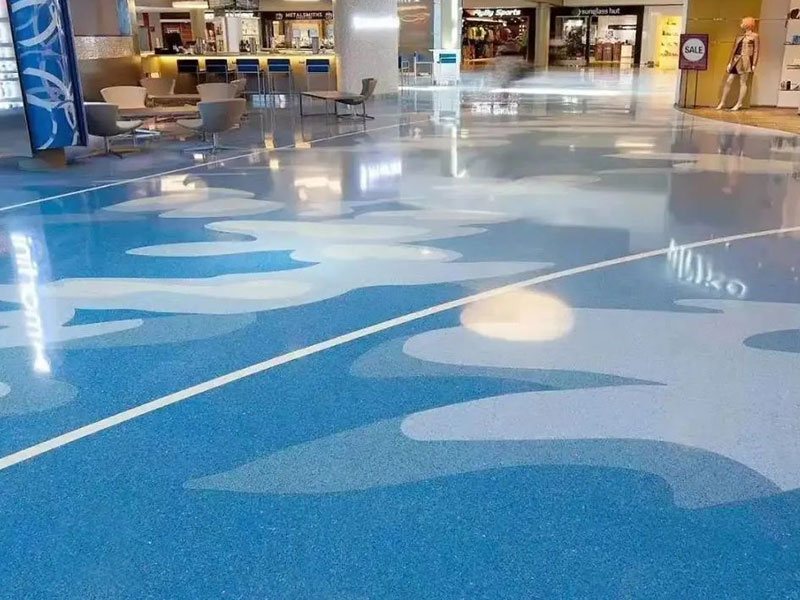
A single color can provide a clean and simple appearance. Multiple colors can create decorative patterns or a terrazzo-like effect. Neutral shades such as gray, beige, and white are often suitable for professional environments.
Brighter colors can be used where visual identification is helpful. For example, different colors may help separate walkways or working zones in commercial facilities.
The final appearance also depends on the size and distribution of the aggregate. A professional installer can help select materials that fit the intended design.
Why Surface Preparation Matters
Good surface preparation is one of the most important parts of epoxy flooring installation. Even a high-quality epoxy product can fail when applied to an unsuitable surface.
Concrete should be clean, dry, and structurally sound. Mechanical preparation methods may be used to remove contaminants and create a suitable profile for bonding.
Cracks, holes, and damaged sections should be repaired before coating. Moisture problems should also be evaluated because excessive moisture beneath an epoxy system can cause adhesion problems.
Taking time during preparation can improve the durability and appearance of the finished floor.
Epoxy Colored Sand vs. Regular Epoxy Flooring
Regular epoxy flooring can provide a smooth and glossy finish. It is often selected for areas where easy cleaning and a clean appearance are priorities.
Epoxy colored sand floor coating offers a different surface profile. The aggregate creates texture and can improve traction. It also provides more decorative possibilities.
The best option depends on the application. Smooth epoxy may be suitable for certain clean commercial areas, while colored aggregate flooring may be better for locations that need additional texture and visual interest.
Maintenance Requirements
Proper maintenance can help extend the life of an epoxy colored sand floor. Routine cleaning should remove dust, dirt, and debris before they accumulate.
A soft broom, dust mop, or suitable floor-cleaning equipment can be used for regular maintenance. Spills should be cleaned promptly, especially in workplaces where chemicals or oils may be present.
Harsh cleaning products should not be used unless they are approved for the particular coating system. Following the flooring manufacturer’s maintenance recommendations is always a good practice.
Regular inspections can also help identify damaged areas before they become larger problems.
Factors That Affect Flooring Cost
The cost of epoxy colored sand floor coating depends on several factors. Floor size is one of the most important considerations. Larger areas may have different material and labor costs than small projects.
Surface condition also affects the price. A damaged or heavily contaminated concrete floor may require additional preparation and repairs.
Other cost factors include aggregate type, color selection, epoxy quality, coating thickness, labor, and the number of layers required.
Instead of choosing a system based only on the lowest price, property owners should consider expected service life and maintenance requirements. A properly installed durable floor may offer better long-term value.
Common Installation Mistakes to Avoid
Several mistakes can reduce the performance of epoxy flooring. Applying epoxy over dirty or poorly prepared concrete is one common problem.
Incorrect mixing ratios can also affect curing and strength. Installers should carefully follow the product manufacturer’s instructions.
Another issue is applying the coating under unsuitable temperature or moisture conditions. Environmental conditions can influence curing and adhesion.
Using poor-quality aggregate or incompatible materials may also affect the final appearance. Professional installation can help reduce these risks and produce a more consistent finish.
How to Choose the Right Epoxy Flooring System
Before choosing an epoxy colored sand floor coating, consider how the floor will be used. Think about foot traffic, vehicle traffic, equipment, moisture, chemicals, cleaning requirements, and desired appearance.
The aggregate size and texture should also match the intended use. Areas requiring stronger slip resistance may benefit from a more textured finish.
It is also important to choose a reputable flooring manufacturer or experienced contractor. Ask about preparation methods, coating thickness, curing time, warranty coverage, and maintenance recommendations.
A proper assessment can help ensure that the selected flooring system performs well for its intended environment.
Frequently Asked Questions
Is epoxy colored sand flooring durable?
Yes. When correctly installed over properly prepared concrete, epoxy colored sand flooring can provide a durable surface for many demanding applications.
Is it suitable for garages?
Yes. It can be a good choice for garages because it offers durability, decorative options, and a textured surface.
Is epoxy colored sand flooring easy to clean?
A properly sealed system is generally easy to maintain. Routine sweeping and suitable cleaning methods can help keep the surface looking good.
Can different sand colors be combined?
Yes. Multiple aggregate colors can be combined to create custom decorative effects and patterns.
Does epoxy flooring prevent slipping?
A textured aggregate finish can improve traction compared with a completely smooth surface. The appropriate texture should be selected for the specific environment.
How long does installation take?
Installation time depends on floor size, preparation requirements, coating layers, temperature, and curing conditions. The installer should provide a project-specific schedule.
Conclusion
Epoxy colored sand floor coating offers a practical combination of durability, decoration, and surface texture. It can transform ordinary concrete into a more attractive and functional floor for residential, commercial, and industrial spaces.
Its success depends heavily on proper surface preparation, suitable materials, correct application, and adequate curing. With the right system and professional installation, epoxy colored sand flooring can provide a long-lasting surface that is easier to maintain and visually appealing.
For anyone planning a new flooring project, comparing aggregate options, epoxy systems, installation methods, and maintenance requirements can help ensure the final floor meets both performance and design expectations.