Easter 2026
Easter 2026 is one of the most significant holidays in the Christian calendar, symbolizing resurrection, renewal, and hope. In 2026, Easter will be celebrated on Sunday, April 5th, following the traditional practice of observing it on the first Sunday after the full moon that occurs on or after the vernal equinox. The celebration combines religious devotion with cultural traditions, community gatherings, and family-centered festivities. From attending church services to enjoying seasonal foods and participating in fun activities, Easter 2026 promises to be a time of joy and reflection.
The Meaning of Easter
Easter is fundamentally about the resurrection of Jesus Christ, as described in the New Testament. It represents victory over death, the promise of eternal life, and the hope that comes with spiritual renewal. For Christians, Easter is the culmination of Holy Week, which begins with Palm Sunday and includes Maundy Thursday, Good Friday, and Holy Saturday. These days remind believers of the suffering, sacrifice, and triumph of Jesus, culminating in Easter Sunday, a celebration of life, forgiveness, and new beginnings.
When Is Easter 2026?
In 2026, Easter Sunday falls on April 5th. The week leading up to Easter, known as Holy Week, starts on March 29th with Palm Sunday. Good Friday will be observed on April 3rd, marking the crucifixion of Jesus Christ. Holy Saturday, the day before Easter, will be on April 4th. Understanding these dates is important for planning family gatherings, religious observances, and community events.
Traditional Easter Practices
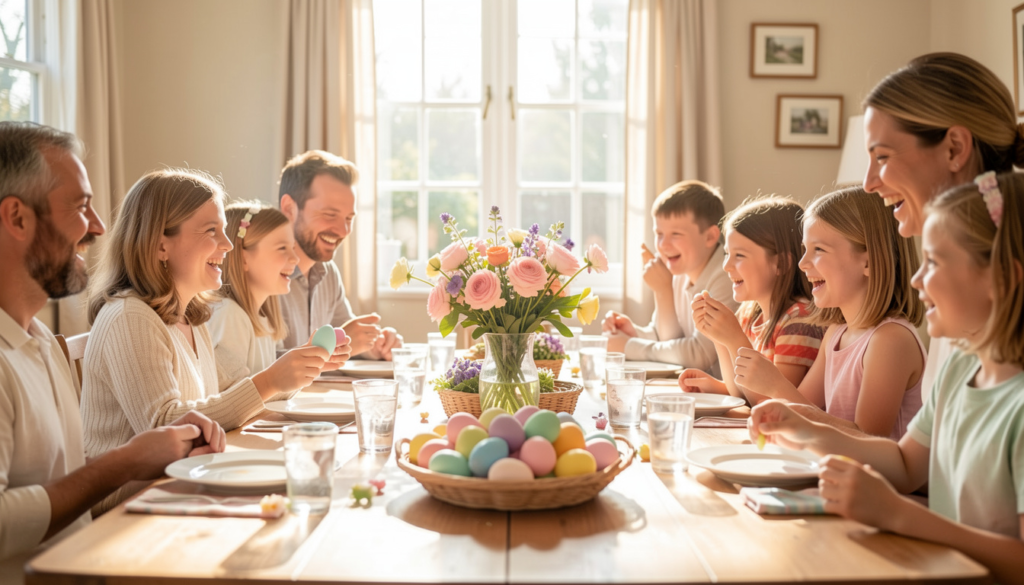
Easter is celebrated in diverse ways around the world. Common traditions include attending church services, decorating Easter eggs, and hosting festive meals with family and friends. In many cultures, Easter is also associated with the arrival of spring, symbolizing growth, renewal, and new life. These customs vary, but they all share a common theme: celebrating life and hope.
Churchgoers often attend sunrise services, reflecting the biblical story of Jesus’ resurrection at dawn. In addition, many churches hold special performances, including choir concerts and Passion plays. These events provide a sense of community and spiritual connection.
Easter Eggs and Symbolism
One of the most iconic Easter traditions is the egg. Eggs symbolize fertility, rebirth, and the emergence of new life. Decorating eggs is a fun activity for children and adults alike, and it has deep historical and religious roots. In many cultures, eggs are dyed, painted, or adorned with intricate designs. Some communities also organize egg hunts, where children search for hidden eggs filled with candy or small toys.
Chocolate eggs and other sweet treats have become a staple of Easter celebrations. These edible symbols represent the joy and abundance of the season, providing a delicious way to connect tradition with modern festivities.
Easter Meals and Seasonal Foods
Easter 2026 will be a time to enjoy delicious meals with family and friends. Traditional dishes vary by region but often include lamb, ham, or fish, accompanied by seasonal vegetables and breads. In some cultures, sweet treats such as hot cross buns, pastries, and cakes play a central role.
Cooking and sharing food during Easter not only honors tradition but also strengthens bonds among family members. Many families take time to prepare special recipes that have been passed down through generations, keeping cultural heritage alive while creating new memories.
Community and Family Celebrations
Easter is not just a religious event—it is also a time for families and communities to come together. Many towns and cities host parades, fairs, and outdoor activities. Community centers often organize craft workshops, egg painting sessions, and storytelling events to engage children and adults alike.
Spending time with loved ones and participating in community celebrations strengthens social bonds and fosters a sense of belonging. Easter 2026 will provide countless opportunities for people to enjoy shared experiences and create lasting memories.
Spiritual Reflection and Renewal
Beyond the festivities, Easter is a time for personal reflection and spiritual renewal. Many individuals use the season to contemplate their faith, seek forgiveness, and set intentions for the months ahead. Activities such as prayer, meditation, and attending church services help believers reconnect with their spiritual values.
Easter serves as a reminder that life is full of challenges but also opportunities for growth and transformation. The story of resurrection inspires hope, encouraging individuals to embrace new beginnings with faith and optimism.
Easter Around the World
Easter traditions vary widely across different cultures. In Europe, countries like Italy and Spain hold elaborate processions, while in the United States, the White House hosts its famous Easter Egg Roll. In Latin America, communities stage dramatic Passion plays, combining theater with devotion.
In Eastern Orthodox countries, Easter often falls on a different date due to variations in the liturgical calendar. Despite these differences, the central message of Easter—renewal, hope, and life—remains universal. Observing global traditions can provide fresh insights and a deeper appreciation of the holiday’s cultural richness.
Preparing for Easter 2026
Planning for Easter 2026 can involve both practical and spiritual preparation. Families may decorate homes with spring flowers, prepare Easter baskets for children, and plan festive meals. Churches and community organizations often coordinate events and services in advance to ensure meaningful celebrations.
Setting aside time for reflection and connection is equally important. By balancing celebration with contemplation, individuals can fully embrace the spirit of Easter, appreciating both its joyful and sacred dimensions.
Eco-Friendly Easter Ideas
Sustainability has become a focus for many holiday celebrations, and Easter 2026 is no exception. Choosing eco-friendly decorations, reusable baskets, and locally sourced foods can reduce environmental impact. Some families opt for natural dyes for eggs, avoiding synthetic chemicals, while others host outdoor activities that connect children with nature.
Embracing sustainable practices not only benefits the planet but also reinforces the themes of renewal and growth central to Easter.
The Future of Easter Celebrations
As traditions evolve, Easter continues to inspire new ways of celebrating. Digital tools and social media allow families separated by distance to participate in virtual egg hunts, online services, and interactive storytelling. Yet, the essence of Easter remains unchanged: it is a celebration of life, love, and hope.
Easter 2026 will showcase both continuity and innovation, blending age-old customs with contemporary practices. By honoring tradition while embracing change, the holiday remains relevant and meaningful for future generations.
Conclusion
Easter 2026 is more than just a date on the calendar—it is a season of reflection, celebration, and renewal. From the religious significance of Jesus’ resurrection to the cultural traditions of egg decorating and festive meals, the holiday offers a rich tapestry of experiences. Whether attending church, sharing meals with family, or participating in community events, Easter invites us to celebrate life and hope. By engaging with its spiritual and cultural dimensions, we can make Easter 2026 a meaningful and memorable occasion.
FAQs About Easter 2026
When is Easter 2026?
Easter Sunday falls on April 5th, 2026, with Holy Week beginning on March 29th.
Why does the date of Easter change every year?
Easter is celebrated on the first Sunday after the full moon occurring on or after the vernal equinox, which means the date varies each year between March 22nd and April 25th.
What are popular Easter traditions?
Common traditions include attending church services, decorating eggs, organizing egg hunts, and enjoying festive meals with family and friends.
What foods are commonly eaten on Easter?
Traditional dishes vary but often include lamb, ham, fish, seasonal vegetables, breads, and sweet treats like hot cross buns and chocolate eggs.
How can I celebrate Easter in an eco-friendly way?
Use natural egg dyes, reusable baskets, locally sourced foods, and outdoor activities to reduce environmental impact while enjoying the holiday.