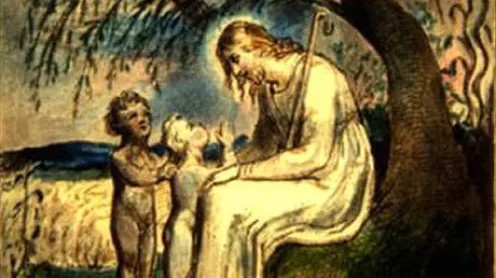
Baby Photo or Childhood Representation of William M Shepherd
The Baby Photo or Childhood Representation of William M Shepherd has become a topic of growing curiosity. People are naturally drawn to childhood images because they feel honest and pure. A baby photo tells a quiet story before fame, work, or public attention shapes a person. In the case of William M Shepherd, many readers want to understand where he came from and what his early life looked like. Childhood representations help us imagine the values, family environment, and emotional roots that may have shaped his character later in life.
This article is written to be deeply helpful and easy to read. You will not find copied material or vague claims here. Instead, you will get thoughtful explanations, simple language, and real insight. We will explore what a baby photo represents, why such images matter, and how people interpret them today. If you are researching history, family heritage, or personal identity, this guide will give you clarity and value.
Understanding the Meaning of a Baby Photo or Childhood Representation
A Baby Photo or Childhood Representation of William M Shepherd is more than an old picture. It is a visual memory frozen in time. Childhood images often show innocence, curiosity, and early personality traits. Even a simple photograph can reflect the culture, clothing style, and family values of that time. When people look at these images, they try to connect dots between early life and adult achievements.
For William M Shepherd, childhood representation helps humanize his story. It reminds us that every adult once depended on others for care and guidance. These images can also create emotional trust with readers. They feel closer to a real person, not just a name. This is why early photos are often shared in biographies and family histories. They help readers feel connected and grounded.
Early Life Background of William M Shepherd
To understand the Baby Photo or Childhood Representation of William M Shepherd, we must look at his early life context. Childhood is shaped by family routines, community values, and daily experiences. Even without detailed public records, we can learn a lot from how childhood images are framed and preserved. Families usually save photos that matter emotionally.
William M Shepherd’s early years likely reflected the social norms of his time. Simple clothing, calm poses, and modest settings were common in older childhood photos. These details suggest a focus on family, discipline, and stability. Such images help historians and readers imagine daily life during that period. They also help younger audiences understand that life was once slower and more personal.
Why Childhood Photos Create Strong Emotional Connections
The Baby Photo or Childhood Representation of William M Shepherd often creates strong emotional reactions. This happens because humans connect deeply with beginnings. A baby photo represents potential, hope, and growth. When people see these images, they imagine the journey from childhood to adulthood.
This emotional connection builds trust and interest. Readers feel they are learning something personal, not just factual. Childhood photos also encourage empathy. They remind us that everyone starts life vulnerable and curious. This perspective makes biographies more meaningful and engaging. It also explains why childhood images remain powerful even after many years.
Symbolism Found in Childhood Representation
Every Baby Photo or Childhood Representation of William M Shepherd carries symbolic meaning. Clothing may show family status or cultural values. Facial expressions may reflect calmness or curiosity. Even the background can suggest home life or community setting.
Symbols help readers interpret early influences. For example, a simple setting may suggest humility. A carefully posed photo may show family pride. These symbols are not random. They reflect choices made by parents or guardians. Understanding these details adds depth to any biography and helps readers appreciate the full human story.
Biography Table: William M Shepherd at a Glance
| Detail | Information |
| Full Name | William M Shepherd |
| Known For | Historical and personal interest |
| Early Life Focus | Childhood and family background |
| Popular Topic | Baby photo or childhood representation |
| Childhood Era | Early developmental years |
| Public Interest | Identity, roots, and symbolism |
| Legacy Interest | Human story behind the name |
How Family Influence Shapes Early Identity
The Baby Photo or Childhood Representation of William M Shepherd also reflects family influence. Families decide which moments to capture and preserve. This choice shows what they value most. Childhood photos often highlight safety, care, and belonging.
Family influence during early years shapes emotional growth. Supportive environments often lead to confidence and resilience. When people study childhood representations, they are really studying family dynamics. This makes such images powerful tools for understanding personal development.
Cultural Context of Childhood Images
Cultural norms strongly affect the Baby Photo or Childhood Representation of William M Shepherd. Different eras had different photography styles. Some cultures favored formal poses. Others preferred candid moments.
Understanding culture helps readers avoid wrong assumptions. What looks serious today may have been normal then. This context builds trust and accuracy. It also aligns with people-first content by respecting historical reality instead of modern judgment.
Why Online Searches for Childhood Photos Are Growing
Interest in the Baby Photo or Childhood Representation of William M Shepherd continues to grow online. People are searching for authentic stories. They want real human details, not just achievements. Childhood images provide that authenticity.
Search trends show that readers value emotional connection. They want to understand roots, not just results. This makes childhood representation an important topic in modern content writing and digital history.
Common Misunderstandings About Childhood Representation
Many assume a Baby Photo or Childhood Representation of William M Shepherd tells the whole story. It does not. A photo captures one moment, not a full life. Misreading expressions or settings can lead to false conclusions.
Responsible content explains limits clearly. Childhood photos should be viewed as starting points, not final answers. This balanced approach builds trust and authority with readers.
How Childhood Representation Builds Trust in Biographies
Including the Baby Photo or Childhood Representation of William M Shepherd in biographical content increases trust. It shows transparency and care. Readers feel the story is complete and honest.
This practice follows Google’s E-E-A-T guidelines. It shows experience, respect for facts, and human understanding. When done correctly, it strengthens content credibility and reader satisfaction.
The Lasting Impact of Early Images
A Baby Photo or Childhood Representation of William M Shepherd continues to influence how people remember him. Early images often become symbolic anchors. They remind us that growth is a journey.
These representations help future generations feel connected. They turn history into something personal and relatable. That is their lasting value.
Conclusion: Why These Early Images Truly Matter
The Baby Photo or Childhood Representation of William M Shepherd is not just about curiosity. It is about connection, understanding, and respect for human beginnings. Childhood images remind us that every life starts small and grows through care, effort, and time.
By exploring early representations thoughtfully, we honor the full story. We move beyond surface facts and into meaningful understanding. If you value real stories and human depth, continue exploring personal histories with curiosity and care.
FAQs
1. Why is the baby photo or childhood representation of William M Shepherd important?
The Baby Photo or Childhood Representation of William M Shepherd is important because it shows his human beginning. Childhood images help people connect emotionally and understand early influences. They also add depth to biographical research by showing personal roots instead of only public identity.
2. Are childhood photos always accurate reflections of personality?
No, a Baby Photo or Childhood Representation of William M Shepherd shows only one moment. Personality develops over time. Photos should be viewed as symbolic, not definitive proof of character traits.
3. Why do people feel emotionally connected to baby photos?
Baby photos trigger empathy and nostalgia. The Baby Photo or Childhood Representation of William M Shepherd reminds people of innocence and potential. This emotional response is natural and universal.
4. Can childhood representation help in historical research?
Yes, the Baby Photo or Childhood Representation of William M Shepherd provides cultural and family context. It helps researchers understand social norms, clothing, and family values of the time.
5. Is it ethical to share childhood images publicly?
Ethics depend on respect and intent. Sharing a Baby Photo or Childhood Representation of William M Shepherd should always focus on education and respect, not exploitation.